Author name: Ugonna Morikwe

Endometriosis: Understanding A Common But Often Overlooked Women’s Health Condition

Endometriosis is a chronic reproductive health condition that affects millions of girls and women worldwide, yet it remains widely misunderstood and frequently underdiagnosed. Raising awareness about endometriosis is essential for improving early detection, reducing stigma, and ensuring that those affected receive proper care and support. What Is Endometriosis? Endometriosis occurs when tissue similar to the lining of the uterus (the endometrium) grows outside the uterus. These growths, often called endometrial implants, can appear on the ovaries, fallopian tubes, pelvic lining, and sometimes other organs. Figure 1. Comparison of a healthy female reproductive system (A) and a reproductive system affected by endometriosis (B). Endometriosis occurs when tissue similar to the uterine lining grows outside the uterus, forming lesions on surrounding organs (created with BioRender). During the menstrual cycle, this tissue behaves like normal uterine lining: it thickens, breaks down, and bleeds. However, because it is located outside the uterus, the blood and tissue cannot exit the body normally. This can lead to inflammation, pain, scar tissue, and adhesions (organs sticking together). Common Symptoms Symptoms of endometriosis can vary widely, but some of the most common include: Figure 2. Endometriosis symptoms (created with AI). It is important to note that symptom severity does not always reflect disease severity. Some individuals may have mild symptoms despite extensive endometriosis, while others may experience severe pain with minimal visible disease. Causes and Risk Factors The exact cause of endometriosis is not fully understood, but several factors may contribute, including: Retrograde menstruation: When menstrual blood flows backward into the pelvic cavity instead of leaving the body. Genetic factors: Higher risk if a close family member has the condition. Hormonal influences: Particularly estrogen, which may promote the growth of endometrial tissue. Immune system dysfunction, which may prevent the body from recognizing and removing misplaced tissue. Impact on Health and Well-Being Endometriosis can significantly affect a person’s quality of life. Persistent pain may interfere with school, work, and daily activities. In many communities, menstrual pain is often normalized or dismissed, leading many girls and women to suffer in silence for years before receiving a diagnosis. The condition can also contribute to emotional distress, anxiety, and social withdrawal. In severe cases, it may lead to fertility challenges. Raising awareness about menstrual health issues, including conditions like endometriosis, is crucial in promoting early medical attention and empowering girls to understand their bodies. Menstrual health education initiatives play an important role in helping young people recognize when symptoms are abnormal and when to seek care. Diagnosis and Treatment Diagnosing endometriosis can be challenging because its symptoms overlap with other conditions. Doctors typically use a combination of: Medical history and symptom review. Pelvic examinations. Imaging tests such as ultrasound or MRI. Laparoscopy (a minor surgical procedure) to confirm the diagnosis. Figure 3: Laparoscopic visualization of pelvic endometriosis. A laparoscope and surgical probe are inserted through small abdominal incisions to examine and remove ectopic endometrial growths within the pelvic cavity (created with BioRender). While there is currently no permanent cure, treatment options can help manage symptoms. These may include: Pain relief medications Hormonal therapies to regulate or suppress menstruation Surgical removal of endometrial growths in severe cases Lifestyle adjustments such as diet, exercise, and stress management. Why Awareness Matters Many girls grow up believing that severe menstrual pain is normal, which can delay diagnosis and treatment for years. Education and open conversations about menstrual health are essential for breaking this silence and helping individuals recognize when symptoms may indicate a medical condition. March: Endometriosis Awareness Month Communities, schools, healthcare providers, and organizations working in menstrual health must continue to create safe spaces where girls can learn about their bodies, ask questions, and seek support without shame or stigma.  Empowering girls with knowledge about menstrual health, including conditions like endometriosis, can improve early intervention, health outcomes, and overall well-being. Why Awareness Matters Many girls grow up believing that severe menstrual pain is normal, which can delay diagnosis and treatment for years.  Education and open conversations about menstrual health are essential for breaking this silence and helping individuals recognize when symptoms may indicate a medical condition. Conclusion Endometriosis is more than just painful periods; it is a serious health condition that deserves attention, research, and compassionate care.  Through education, awareness campaigns, and improved access to healthcare, we can ensure that girls and women experiencing symptoms receive the understanding and treatment they need. Breaking the silence around menstrual health is the first step toward a healthier and more informed future for every girl. For more information, donations, and partnerships: Contact us at pinkhealthfoundation @gmail.com Ugonna Morikwe Director of Research and Strategic Development

Endometriosis: Understanding A Common But Often Overlooked Women’s Health Condition Read More »

Beyond Awareness: Early Detection and Breast Health Education for Young Women.

Young women uniting for early detection and breast health… Why Early Breast Health Matters Breast cancer is often viewed as a disease of older women, but awareness should begin much earlier. Studies show that lifestyle, genetics, and hormonal factors all influence breast health long before adulthood.   When young women understand their bodies early, they are better equipped to recognize changes and seek help promptly. Yet conversations about breast health rarely start early enough. In many communities, the topic is surrounded by silence or fear.   It is time to move from awareness to education and early action, because knowledge today can save lives tomorrow. Early self-awareness helps girls understand what’s normal for their bodies… The Missing Link: Youth And Breast Health Conversations Across schools and youth gatherings, lessons on menstrual hygiene are common, but breast health is often left out. Many young girls grow up knowing how to manage their periods but not how to recognize unusual breast changes. This gap perpetuates fear and myths. Integrating breast health into routine wellness education ensures that girls see it as part of caring for their whole bodies, not as a taboo topic. When teachers, parents, and mentors speak openly, they normalize the conversation and build a generation that values prevention. Step-by-step breast guide: A self-awareness guide to know what’s normal for you Understanding Breast Self-Awareness Breast health isn’t just about formal screening; it begins with breast self-awareness. This means simply knowing what your breasts usually look and feel like so you can detect any changes early. Things to look out for: A lump, thickening, or swelling. Changes in shape or size. Skin dimpling or redness. Nipple discharge or inversion. If something feels unusual, report it to a healthcare provider promptly. Awareness is not fear; it’s confidence in your own body. Breaking Myths and Fear Many myths stop young women from learning or acting early. Dispelling myths encourages young women to act on facts, not fear. Schools, Churches, and Youth Clubs: Safe Spaces for Learning Community spaces are powerful platforms for change. Schools can host “Know Your Body” days; Churches can dedicate a Sunday to women’s wellness, and youth clubs can organize friendly health knowledge challenges. Female mentors, nurses, and volunteers can make these sessions engaging through demonstrations, songs, and Q&A games. Pink Health Foundation’s outreach programs, such as Pad A Girl, already provide a strong model. Incorporating short breast health talks into these same gatherings fosters a seamless link between menstrual health education and early detection awareness. Community sessions make health education approachable and memorable. The Power of Role Models and Storytelling Stories inspire. When a survivor shares how early detection saved her life, it transforms statistics into hope. Young women tend to relate more when they see faces like their own leading the conversation. Every school or youth group can invite a healthcare professional or a survivor to share their story each October, or at any other time. These stories build courage and dismantle fear, reminding girls that early action leads to survival and strength. Moving Forward: A Call to Action Breast health education must become a routine part of youth wellness. Let’s establish Pink Health Clubs in schools and communities where young women learn, discuss, and practice self-care. Let’s include simple breast-awareness kits and information leaflets in future Pad A Girl outreaches. As part of our ongoing advocacy, the Pink Health Foundation continues to promote early detection through community initiatives, such as the 5km Walk Against Breast Cancer. This year’s event will take place on Saturday, November 1st, 2025, in Onitsha, under the theme “Every Story is Unique, Every Journey Matters.” These activities inspire dialogue, promote screening, and raise funds to support breast cancer patients. Together, we can ensure that every girl learns to protect her body with confidence and compassion. Early detection saves lives. Start now, start young! With awareness and education, every girl can live a healthier, longer, and stronger life.

Beyond Awareness: Early Detection and Breast Health Education for Young Women. Read More »

Cervical Cancer: Knowledge, Prevention, and Hope.

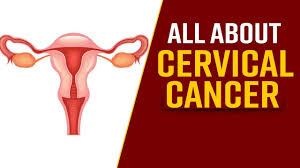
Every woman deserves to live a healthy, confident life. Yet, too many women continue to lose their lives to a disease that is both preventable and treatable – Cervical cancer. At PinkHealth, our mission is to break barriers in women’s health through education, advocacy, and action. This September, as part of our annual women’s health awareness series, we are shining a spotlight on cervical cancer to spread life-saving knowledge and inspire preventive action. WHAT IS CERVICAL CANCER? Cervical cancer begins in the cervix — the lower, narrow part of the uterus that connects to the vagina. Unlike many other cancers, we know the primary cause: persistent infection with the human papillomavirus (HPV), a common sexually transmitted infection. While most HPV infections clear on their own, some high-risk types can cause abnormal cell changes that may develop into cancer over time. WHY IT MATTERS… Globally, cervical cancer is the fourth most common cancer among women, claiming over 300,000 lives every year. The burden is particularly heavy in sub-Saharan Africa, where limited access to screening and vaccination leads to late detection and poor outcomes. In Nigeria, cervical cancer remains one of the leading causes of cancer deaths in women. Behind every statistic is a mother, daughter, sister, or friend — which is why awareness and preventive action are so urgent. SIGNS AND SYMPTOMS. Cervical cancer often develops silently in its early stages, which is why regular screening is crucial. However, some warning signs may include: Abnormal vaginal bleeding (between periods, after sex, or after menopause). Unusual vaginal discharge with a foul smell. Persistent pelvic or back pain.  Any woman experiencing these symptoms should seek medical care immediately. PREVENTION IS POSSIBLE! The most powerful truth about cervical cancer is this:   IT CAN BE PREVENTED AND   CONTROLLED! Here’s how: HPV Vaccination Safe and effective vaccines protect against the high-risk HPV strains that cause most cervical cancers. Best given between ages 9 and 14 (before sexual debut), but older adolescents and young adults may also benefit. Boys should be vaccinated too, since HPV affects both genders. Routine Screening Pap smear: Detects abnormal cervical cells before they turn cancerous. HPV DNA test: Identifies high-risk HPV infections. Visual inspection with acetic acid (VIA): A low-cost method available in many clinics. Screening should begin at age 21 (or earlier if recommended) and continue regularly. Safe Lifestyle Practices Practicing safer sex, limiting partners, and using protection can reduce HPV transmission. Avoiding smoking and maintaining good nutrition strengthens the immune system. Hope Through Early Detection… When detected early, cervical cancer is highly treatable, and survival rates are excellent. Sadly, many women only discover the disease at advanced stages when treatment options are limited. PinkHealth believes that no woman should die from a preventable cancer simply because of where she lives or what resources she has. Call to Action… Get vaccinated: Encourage HPV vaccination for your children, both girls and boys. Get screened: If you are a woman of reproductive age, make cervical screening part of your routine health check. Educate others: Share this knowledge with friends, family, and your community. Advocate: Support initiatives that make vaccines and screening widely available and affordable. Cervical Cancer FAQs: Myths vs Facts… Q1. If I have no symptoms, I don’t need to worry about cervical cancer. FACT: Early cervical cancer often has no symptoms. Regular screening (Pap smear, VIA, or HPV test) is the only way to detect it early. Waiting for symptoms usually means the disease is in a late stage. Q2. Only women with “many partners” can get cervical cancer. FACT: Cervical cancer is linked to HPV, which can be transmitted through any sexual contact, even with just one partner. Having multiple partners increases the risk, but even women in monogamous relationships can develop cervical cancer if exposed. Q3. Cervical cancer is caused by spiritual attacks or curses… FACT: Cervical cancer is a medical condition caused mainly by persistent infection with high-risk types of HPV. Spiritual beliefs are important in many cultures, but relying only on prayers without medical prevention, e.g., vaccines, screening, and treatment, puts women at risk. Q4. The HPV vaccine makes girls promiscuous… FACT: The HPV vaccine does not change behavior. It simply protects against the virus that causes cervical cancer (and other cancers). Vaccinating children early is about health, not lifestyle. Q5. Only women need the HPV vaccine… FACT: Boys also benefit from HPV vaccination. HPV can cause cancers of the throat, anus, and penis, and boys can transmit the virus to partners. Vaccinating both genders increases community protection. Q6. Screening tests are painful and unsafe… FACT: Pap smears and VIA are quick, safe, and usually only mildly uncomfortable. They are performed by trained health professionals and have saved millions of lives worldwide. Q7. Once I’m married, faithful, and clean, I don’t need to worry. FACT: HPV is very common, and many people may carry it without knowing. Even in faithful marriages, infection can still occur. Vaccination and screening remain important, regardless of marital status. Q8. Cervical cancer cannot be treated; it always leads to death… FACT: When detected early, cervical cancer can be treated successfully with surgery, radiotherapy, or chemotherapy. Prevention and early diagnosis save lives. Q9. Screening is only for older women… FACT: Screening should begin from age 21 (or as recommended by health guidelines). Young women, especially those who are sexually active, should not delay. Q10. If I take care of my hygiene, I won’t get cervical cancer… FACT: While good hygiene is important for general health, it does not prevent HPV infection or cervical cancer. Only vaccination and regular screening provide protection. PinkHealth’s Commitment… At PinkHealth Foundation, we are committed to breaking the silence around cervical cancer. Through community outreach, health education programs, and advocacy, we work to ensure that women everywhere can access preventive care and treatment.   Together, we can rewrite the story of cervical cancer from one of fear to one of hope. Join the Movement… Your voice and actions matter. Together, we can create a future where no woman

Cervical Cancer: Knowledge, Prevention, and Hope. Read More »

Scroll to Top